

What you can ask of us
On any project, you can ask which AI tools were used, what source material went into them and where the outputs appear. You can also ask us not to use AI on your project at all, and we will plan the work accordingly.
AI principles
AI speeds up exploration and production; it does not decide what a brand looks like. These are the principles we follow on every project: general information about how we work, not legal advice.
A person briefs, selects and approves every AI output, and every frame is checked at full size before delivery: the product, faces, hands, text and edges. Nothing is published without an art director's sign-off.
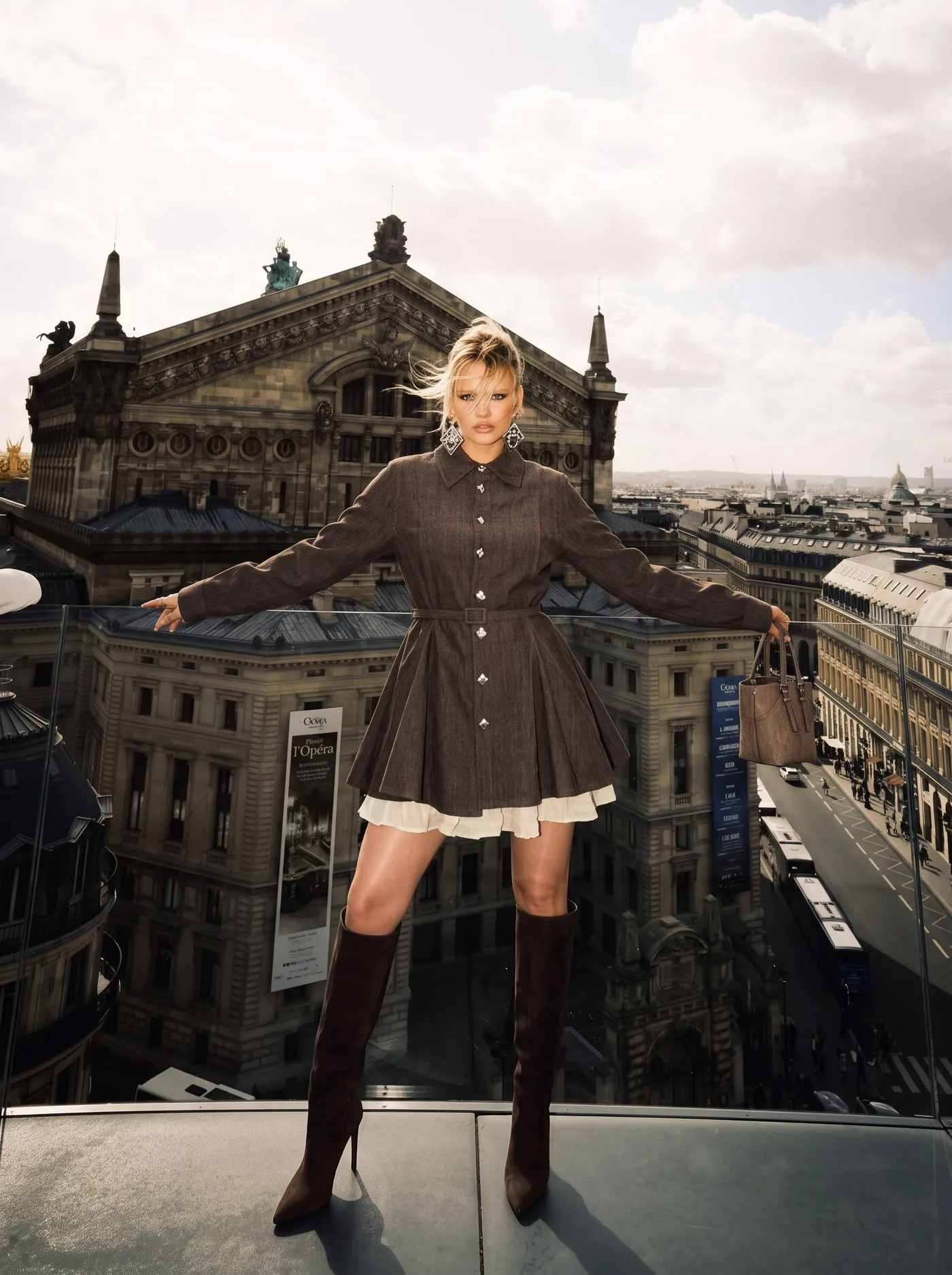
AI imagery in our work is credited ‘AI-assisted · art-directed by Workly Up’, and clients are always told where AI was used. Photorealistic AI images of people are labelled as AI-generated wherever they run, and are never presented as real customers, staff or ambassadors.
The EU AI Act's transparency obligations (Article 50) apply from 2 August 2026: AI-generated or manipulated images, audio or video that could pass as real people, places or events must be disclosed. In the UK, the Digital Markets, Competition and Consumers Act 2024 and the advertising codes prohibit misleading content however it was made, and we follow the strictest rule that applies, platform rules included.
Some things stay real, without exception.
AI never draws a logo, wordmark or lettering. Real vector files are composited onto the final image by hand.
The product's shape, colour, material and scale stay true. AI may change the setting, never the thing being sold.
No AI-generated reviews, testimonials, customers or team members presented as real.
We use AI tools whose terms allow commercial use, and give them only material we own or are licensed to use. We do not imitate real people, their voices, or other brands' logos, products or signature designs; a real person's likeness is used only with their written consent.
Client material is never used to train AI models, and we work only with tools and settings in which inputs are excluded from training. Confidential material stays out of AI tools unless you agree, and working files are deleted on request when the project ends.
The campaigns we offer are described on AI creative.
On any project, you can ask which AI tools were used, what source material went into them and where the outputs appear. You can also ask us not to use AI on your project at all, and we will plan the work accordingly.
Where the image itself is the evidence, such as clinical results or the exact finish of a material, we use real photography; where a recognisable person is needed, we work with real people, with their consent. The rules on AI content are still changing in the UK, the EU, Türkiye and on the platforms, so we review these principles as they do; for your own campaign, speak to your legal adviser. See how we work, or start a project.