
Collections your team publishes
Lookbooks, collection pages and campaign banners updated from the admin, without waiting for a developer.

Industries
We design and build online stores for fashion and accessories labels. Size guides, fabric and care sit on every product, the checkout shows the full price for each market, and your team publishes new collections without a developer.
Focus
Fibre content, country of origin and care instructions in a fixed place on every product, never lost in the description.
Customers request another size from their order page, and a return label is created where you offer one.
Pre-order dates, back-in-stock alerts by size and timed launches, all scheduled by your team in the admin.
Search and filters work by fit, fabric and colour, so someone typing 'wool coat' finds the right pieces.
In the store
Measurements by market, fit notes and the model’s size, right beside the size buttons.
Backgrounds removed and colours matched, so every variant looks like part of the same collection.
Shipping, duties and delivery time shown at checkout, so nothing is added at the door.
Digital storefront
How a store or site built for your sector could look, shown on a fictional brand.
Duties and taxes included on UK and EU orders
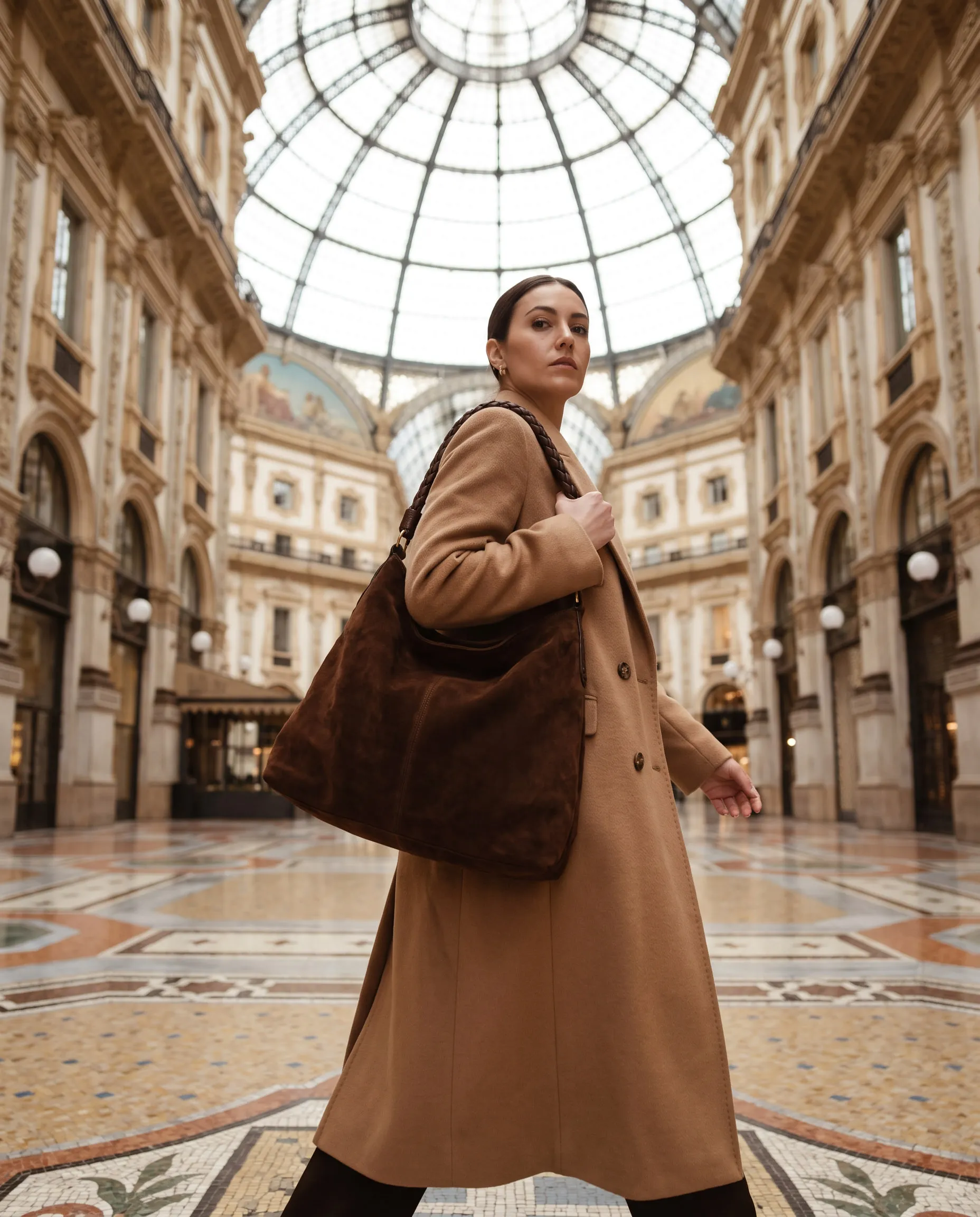

Autumn / Winter 26
The knit and coat edit
Shop the collection New in
Hand-knitted Aran jumper
£240
 Pre-order · December
Suede shoulder bag
£420
 Back in stock
Silk slip dress
£360

Leather trainers
£190
The result
Lookbooks, collection pages and campaign banners updated from the admin, without waiting for a developer.
Products, prices and stock sent from the store to Google Shopping, Instagram and marketplaces such as Trendyol or Zalando.
Languages, currencies and local payment methods set up for each market you serve.
Packages
Every project is scoped to the brand. Prices are shared in a proposal after a short conversation.
A focused first store for a new label or a first collection, designed to the identity.
Ideal for: New labels and first collections
What’s included
A bespoke store designed around the collection, with the tools fashion buyers expect.
Ideal for: Labels ready to leave a template behind
What’s included
One catalogue for customers in several markets and on several channels.
Ideal for: Labels with buyers abroad and on marketplaces
What’s included
Not sure which one fits? Decide with us on a short call.
Related
It depends on your range, your markets and your team. Shopify suits labels that want to launch quickly with light upkeep: variants, multi-currency pricing, payments and email tools are ready, and your team can run collections without a developer. WooCommerce suits labels that want more flexibility, deeper customisation and full ownership of the store. A custom build suits unusual catalogues. We advise after a short look at your range, markets and team.
We show size and fit on each product with a size guide for every market you serve, fit notes written by your team, the model's height and size, and garment measurements. Bags and accessories show their dimensions against the body or a familiar object.
Yes, we start with the photography you already have: pack shots, on-body and detail images. Where gaps remain, we brief a photographer or make campaign imagery from your real product photos. The garment itself is never altered, and AI never draws logos, labels or lettering.
Often, yes, as long as each channel has a clear role. Marketplaces bring reach, while your own store keeps the brand, the customer relationship and the margin. We connect the catalogue to marketplaces and Google Merchant Center, and keep exclusives, full editorial and early access on your own store.
Your team schedules collections, opens pre-orders with a clear delivery date and collects back-in-stock requests by size, all from the admin. For handmade or small-batch pieces, the made-to-order lead time shows on the product page, so the expectation is set before payment.